
Ex-tarifário in Brazil: how to cut import duty on servers and data center gear
By Comex IOR Services · Published · Last updated · 13 min read

In this guide
- What is an Ex-tarifário, and why does it matter more in 2026?
- Which servers and data center equipment can qualify?
- Who can file an Ex-tarifário request, and what goes into it?
- How long does it take, and how long does the reduction last?
- Ex-tarifário, Redata or a regular import: how do they compare?
- What does customs check when you claim an Ex-tarifário at clearance?
- Where does an Importer of Record fit in an Ex-tarifário Brazil plan?
- Frequently asked questions
An Ex-tarifário in Brazil is a temporary cut of the Import Duty to 0% for a specific capital good or IT and telecom good that has no equivalent production in Brazil. Gecex grants it for a described product, not for a company, so any importer of a matching server, switch or cooling unit can use it.
That makes the Ex-tarifário one of the few tools that can change the landed cost of a hardware project in Brazil without a special tax regime, an enrolled company or years of commitments. It also matters more in 2026 than it did a year ago, because Brazil raised the base Import Duty on a long list of capital goods and IT equipment in February, and the Ex-tarifário is now the main way to bring part of that duty back to zero.
This guide explains how the Ex-tarifário works for servers, GPU systems, network gear and data center infrastructure, who can file a request, what the government checks, how long it takes, how it compares with Redata and a regular import, and where an Importer of Record fits when the company buying the hardware has no entity in Brazil. If you are new to the Brazilian import process, our guide on how to import IT equipment into Brazil covers the basics this article builds on.
What is an Ex-tarifário, and why does it matter more in 2026?
An Ex-tarifário is an exception created inside a tariff line of the Mercosur Common External Tariff (TEC). It carves out one precisely described product from its NCM code and sets the Import Duty for that product at zero, for a limited period, because nothing equivalent is made in Brazil.
The regime covers two families of goods: capital goods, known as BK (bens de capital), and information technology and telecommunications goods, known as BIT (bens de informática e telecomunicações). It is run by the Ministry of Development, Industry, Trade and Services (MDIC), and each concession is approved by the Executive Management Committee of the Foreign Trade Chamber, known as Gecex. The rules sit in Resolução Gecex nº 512/2023, and the current BIT concessions were consolidated in Resolução Gecex nº 781/2025, which sets their duty at 0% for up to two years.
The 2026 change is what makes the regime urgent. Resolução Gecex nº 852/2026 realigned the Import Duty on BK and BIT goods: rates below 7.2% moved to 7.2%, rates between 7.2% and 12.6% moved to 12.6%, and rates between 12.6% and 20% moved to 20%. The new rates took effect on February 6, 2026, and on March 1, 2026 for goods that had been at zero. Equipment that used to enter duty-free now carries a duty, unless it has an Ex-tarifário.
The government also opened an exceptional window. Resolução Gecex nº 853/2026 accepted requests from February 9 to March 31, 2026 for goods hit by the realignment, with provisional reductions of up to 120 days while the full analysis ran. Gecex granted 105 provisional Ex-tarifários in Resolução Gecex nº 866/2026, 56 for BK and 49 for BIT, and another 191 temporary ones in Resolução Gecex nº 870/2026. That window is closed, so new requests now follow the normal procedure.

Which servers and data center equipment can qualify?
Equipment qualifies when it is a capital good or a BIT good, it is new, and no equivalent product is made in Brazil. In practice, that points to specialized hardware such as high-density GPU systems, large modular UPS units, precision cooling and some high-capacity network equipment, rather than standard rack servers.
Brazil has a domestic IT industry built around its information technology law, and several manufacturers assemble general-purpose servers locally. A request for a common two-socket rack server is therefore likely to meet a local product that performs the same essential function, and that is enough to block it. Resolução Gecex nº 512/2023 looks at the essential function of the good, meaning its core activity. Features such as monitoring, maintenance, interoperability or operating cost do not count as essential, so "ours is easier to manage" or "ours uses less energy" will not win the argument on its own.
The chances improve with equipment whose core capability is not available locally: an AI training system with a specific accelerator and interconnect configuration, a liquid cooling distribution unit, a large chiller or a switch with port densities no Brazilian maker offers. Each request covers one NCM code, and the description has to be written in the TEC style, with the technical parameters that separate the product from anything made in Brazil. If you are still settling the codes, our guide on the HS code for servers explains how servers, GPUs and switches are usually classified.
Three groups are excluded outright. Used goods cannot receive an Ex-tarifário, so refurbished servers stay at the normal duty and still need their own import license. Integrated systems, meaning a set of machines treated as a single plant, are excluded too. So are consumer goods, defined as goods that are not used as an input or capital good to produce another good or service.
Who can file an Ex-tarifário request, and what goes into it?
Only a Brazilian legal entity or a trade association can file. The request goes to the MDIC, which analyzes it with a technical committee and then sends it to Gecex for a decision. A foreign manufacturer cannot file directly, but its Brazilian customer, distributor, subsidiary or an appointed representative can.
Since October 1, 2026, requests for new, renewed, amended or revoked Ex-tarifários are filed on the federal Portal de Serviços instead of the SEI system used until then, according to the MDIC's Ex-tarifário portal for capital and IT goods. The content of the request did not change. Under Resolução Gecex nº 512/2023, the applicant has to send:
- one NCM code per request and a suggested Ex-tarifário description written in the TEC format;
- the original catalogs and a proforma invoice, translated into Portuguese where needed;
- an investment project explaining the equipment's role, the schedule, the location and the productivity or innovation gain;
- the differences from any similar Brazilian product, if the applicant knows of one;
- an e-mail address for notices during the process.
The investment project is where many requests are won or lost. The MDIC wants to see why the equipment is essential to a real operation in Brazil, not only that it is cheaper abroad. For a data center, that means describing the hall or the expansion, the capacity the equipment adds and when it will be installed.

How long does it take, and how long does the reduction last?
Plan on several months from filing to publication, plus a public consultation of 30 calendar days in which Brazilian manufacturers can contest the request. Once granted, a BIT Ex-tarifário usually runs for up to two years, and it can be renewed if no national equivalent appears.
The timeline has several steps. After filing, the MDIC checks the documents and publishes the request for public consultation. A Brazilian manufacturer or association that believes it makes an equivalent product can contest it, but the contest must include specific evidence, such as a documented sale or a quote for a national good with the same essential function. Generic objections are not accepted. The applicant then has 10 business days to answer. If it does not answer, the request is treated as withdrawn.
After that, the technical committee issues its opinion and Gecex decides at one of its meetings. The concession only applies once the resolution is published in the Diário Oficial da União and enters into force. A denial can be appealed within 10 business days, on legal grounds only, and a denied request can only be filed again after one year unless there is new relevant information.
Renewals follow a shorter path, with a 20-day consultation, and can be requested up to 180 days before the concession expires. Gecex can also revoke an Ex-tarifário early if a Brazilian company starts making an equivalent product, although when an investment project is already running the MDIC can propose a later effective date for the revocation. For project planning, the practical rule is simple: start the request when the equipment is specified, not when the purchase order is ready, and never assume a concession will still be valid on a delivery date two years away.
Ex-tarifário, Redata or a regular import: how do they compare?
The Ex-tarifário only reduces the Import Duty, but anyone importing the approved product can use it. Redata, the new federal regime for data centers, suspends more taxes but only for enrolled operators and listed goods. A regular import is the fallback when neither applies.
The difference in scope is the first thing to understand. An Ex-tarifário does not touch the IPI, PIS-Importação, Cofins-Importação or the state ICMS. Because the IPI and ICMS bases include the Import Duty, a lower duty trims them slightly, but the bulk of those taxes remains. Redata, created by Law No. 15,504/2026, goes further for data center operators. Our guide to Redata Brazil for data center imports explains its conditions and deadlines.
| Point of comparison | Ex-tarifário | Redata | Regular import |
|---|---|---|---|
| Who can use it | Any qualified importer of the approved product | Data center service providers enrolled by the Receita Federal, plus co-enrolled suppliers | Any qualified importer |
| Taxes reduced | Import Duty only, to 0% | Import Duty, IPI, PIS/Cofins and PIS/Cofins-Importação | None |
| Goods covered | One described BK or BIT product without equivalent national production | Listed IT and communications goods for the enrolled company's fixed assets | Everything, at normal rates |
| Used equipment | Excluded | Not the focus of the regime | Allowed with an import license |
| Commitments after import | None beyond a correct declaration | Domestic capacity, renewable energy, water use, research investment | None |
| Main risk | Model shipped does not match the description, or the concession expires | Paying back suspended taxes if commitments fail | Higher landed cost |
The two tools often work together. Redata's own Import Duty suspension also depends on the absence of equivalent national production, so the technical case built for an Ex-tarifário is useful there too. And because Brazil's tax reform replaces PIS, Cofins, IPI and ICMS with the new CBS and IBS from 2027 onwards while keeping the Import Duty in place, the Ex-tarifário will remain relevant after the reform. For a project that crosses into 2027, the landed cost model should show each line under each scenario before purchase orders are placed.
What does customs check when you claim an Ex-tarifário at clearance?
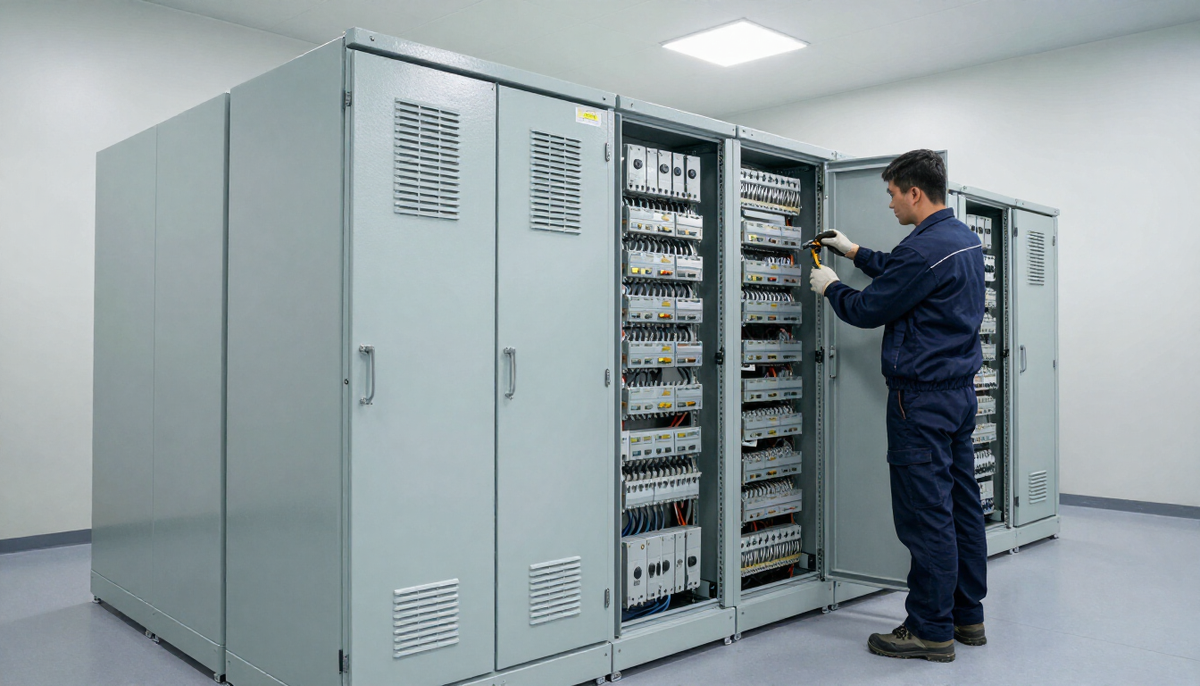
Customs checks that the goods match the Ex-tarifário description word for word. The importer declares the NCM code and the Ex number in the import declaration on the Portal Único Siscomex, and the documents and the physical goods must show that the model shipped is the one approved.
The Ex-tarifário is tied to the product, not to the applicant, so the company that filed the request does not have to be the importer. A different importer, including an Importer of Record, can claim the same Ex number for the same product. What cannot change is the product. If the description requires a certain number of accelerators, a certain power rating or a certain port configuration, and the unit delivered differs, customs can deny the reduction and charge the full duty, with interest and penalties.
The usual import requirements still apply. The importer needs a Brazilian entity with an active Radar qualification in Siscomex, a customs broker, a commercial invoice and packing list that match the catalog, and Anatel homologation for anything with a radio or other regulated telecom function. The Ex-tarifário does not waive any of that. It also has to be valid on the date the import declaration is registered, which is why shipments near the end of a concession deserve extra care.
A good practice is to put the Ex-tarifário description, the NCM code and the Ex number in the purchase order and on the commercial invoice, and to ask the manufacturer to confirm the configuration in writing before the goods leave the factory. When the supplier changes a component late, as often happens with GPU systems and network optics, the team should check the description again before the shipment is booked.
Where does an Importer of Record fit in an Ex-tarifário Brazil plan?
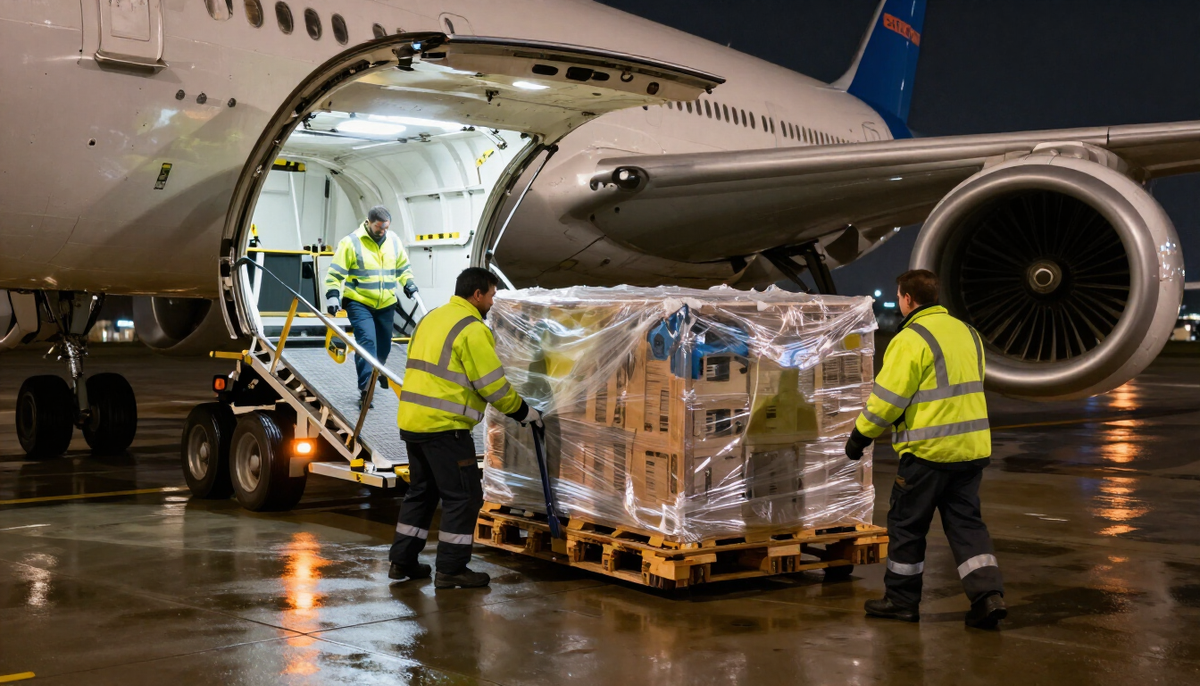
An Importer of Record lets a foreign vendor or a project owner without a Brazilian entity import equipment under an existing Ex-tarifário and, where needed, work with a Brazilian partner that files a new request. The IOR handles the customs side so the reduced duty is actually applied at clearance.
The most common situation is a foreign company selling servers, GPU systems or infrastructure to a Brazilian customer that does not want to import on its own, or a group building capacity in Brazil before its local entity has a Radar qualification. In both cases, someone has to check whether an Ex-tarifário already exists for the exact model, confirm that it will still be valid on the shipping date, align the invoice and the technical documents with the description and file the declaration correctly. That is the work of an Importer of Record. If the concept is new to you, our explainer on what an Importer of Record does sets out the basics.
When no Ex-tarifário exists yet, the request has to come from a Brazilian legal entity, usually the end customer, a distributor or a trade association. The IOR can prepare the technical file with the manufacturer and coordinate the timing, so that the first shipment arrives after the concession is published and not a week before it. When the equipment is used, or a Brazilian equivalent exists, the honest answer is that the Ex-tarifário will not work, and the cost model should reflect the normal duty from the start.
If you are planning servers, accelerators, network equipment or power and cooling systems for a project in Brazil, tell us what you are shipping and when it needs to be on site. The Comex IOR Services team will check the models against the current Ex-tarifários, model the landed cost with and without the reduction, and tell you whether working with an Importer of Record in Brazil for hardware projects is the right structure for your shipment.
Frequently asked questions
What is an Ex-tarifário in Brazil?
It is a temporary reduction of Brazil's Import Duty to 0% for a specific capital good (BK) or IT and telecom good (BIT) with no equivalent national production. Gecex grants it for a described product, so any importer of the matching model can use it while the concession is valid.
Can standard rack servers get an Ex-tarifário?
Rarely. General-purpose servers are assembled in Brazil, and a local product with the same essential function is enough to block a request. Specialized equipment, such as high-density GPU systems, liquid cooling units or large modular UPS systems, has a better chance.
Can a foreign company request an Ex-tarifário?
Not directly. Under Resolução Gecex nº 512/2023, only a Brazilian legal entity or a trade association can file. A foreign manufacturer usually works through its Brazilian customer, distributor, subsidiary or representative, and its equipment can then be imported under the concession by any qualified importer.
Does an Ex-tarifário reduce IPI, PIS/Cofins or ICMS?
No. It only reduces the Import Duty. IPI, PIS-Importação, Cofins-Importação and the state ICMS are still due, although the IPI and ICMS fall slightly because their bases include the duty.
How long does an Ex-tarifário last?
BIT concessions consolidated in Resolução Gecex nº 781/2025 run for up to two years, and each resolution sets the end date. Renewal can be requested up to 180 days before expiry, and Gecex can revoke a concession early if equivalent national production appears.
Can I use an Ex-tarifário for refurbished servers?
No. Resolução Gecex nº 512/2023 excludes used goods from the regime. Refurbished servers pay the normal Import Duty and also need a non-automatic import license for used goods.