How to import ASIC miners legally and without surprises
By Comex IOR Services · Published · Last updated · 11 min read
In this guide
- Can you import ASIC miners without a local company?
- How are ASIC miners classified at customs?
- Why have ASIC miners been held at US ports?
- What does each destination require for mining hardware?
- Can you import used or refurbished ASIC miners?
- How do you plan a large ASIC miner shipment?
- When does an Importer of Record make sense for mining hardware?
- Frequently asked questions
You can import ASIC miners legally into most markets without a local company, provided a qualified Importer of Record declares them, classifies them correctly and pays the duties and taxes. The surprises usually come from classification, FCC or product compliance, used equipment rules and the supplier's own trade restrictions, so check those before the machines ship.
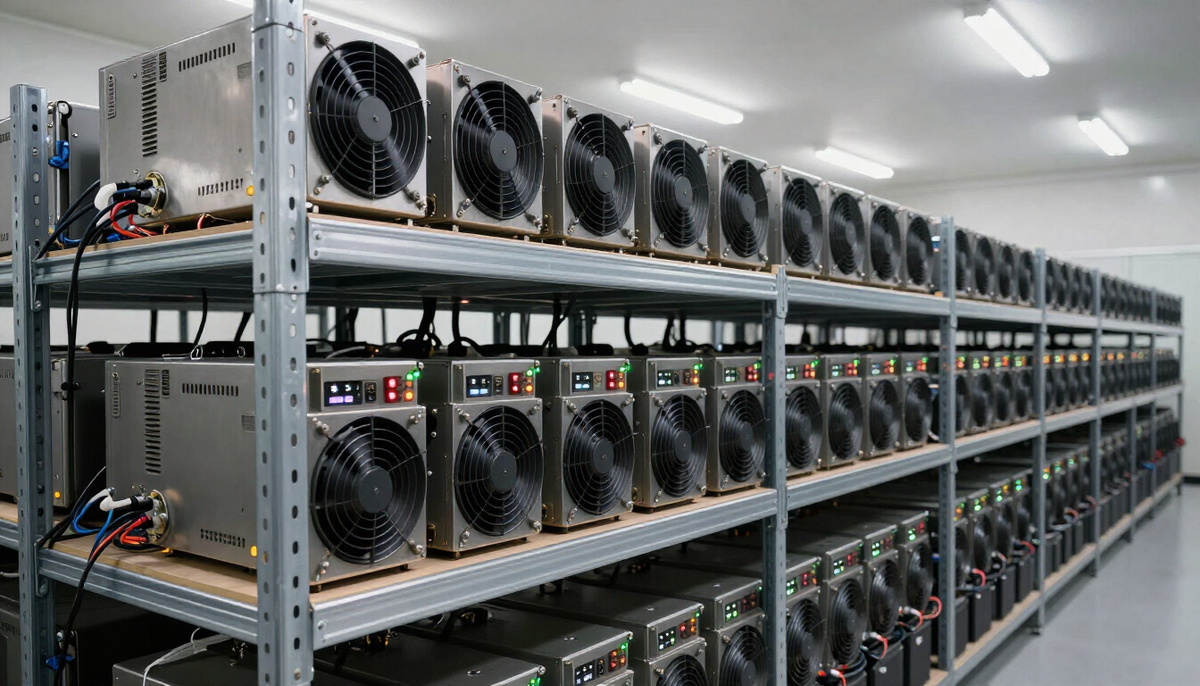
Bitcoin mining hardware looks simple on a packing list: a box with fans, hash boards and a power supply. At the border it is anything but simple. A single container can carry hundreds of machines worth millions of dollars, customs authorities in several countries have treated miners as a special category, and in the United States large batches have been held at ports while agencies checked their compliance.
This guide explains how to import ASIC miners into the United States, Brazil, Argentina, the European Union and Uruguay when you have no local entity, what customs looks at, why shipments get stuck, what changes for used or refurbished units, and how to plan a deployment so that the machines reach the hosting site on schedule.
Can you import ASIC miners without a local company?
Yes, in most of the destinations we work with, as long as someone qualified takes the import role. That party, the Importer of Record, files the declaration, pays or guarantees duties and taxes and answers for the compliance of the machines after release.
Mining companies often expand faster than their legal structure. A hosting deal in another country, a cheap power contract or a batch of machines bought at a good price can appear before there is any local entity to import them. In that situation, an Importer of Record lets the equipment cross the border legally while the business decides whether to set up locally. If the concept is new to you, our guide on what an Importer of Record is and when you need one explains it in plain terms.
The role is not a formality. The Importer of Record is the name customs will contact if a classification is challenged, if a valuation looks low or if a product approval is missing. For mining hardware, where values are high and enforcement has been active, choosing who takes that role is one of the first decisions of the project, not the last.
How are ASIC miners classified at customs?
ASIC miners are generally not treated as computers. In the United States, CBP has classified cryptocurrency mining machines as electrical machines with individual functions rather than as automatic data processing machines, because they run fixed mining algorithms and cannot be freely programmed by the user. That choice of tariff line affects duty rates and which exemptions apply.
The leading US ruling is CBP ruling HQ H300195 of December 11, 2019, which confirmed that miners such as the Antminer S9 fall under subheading 8543.70.99 of the Harmonized Tariff Schedule. CBP's reasoning was that the machines are built for a specific mining algorithm, users cannot install or remove applications, and the software on board works as firmware rather than a general-purpose operating system. In plain terms, a miner is a dedicated appliance, not a server.
This matters beyond the United States. Most countries use the same Harmonized System at six digits, and customs officers elsewhere often reach similar conclusions for the same reasons. Declaring miners as computers or servers because the duty is lower is a common mistake, and it is the kind of mistake that leads to reassessments, penalties and long holds. The safer route is to agree on the classification before shipping, and to keep the manufacturer's technical description at hand to support it.
Classification also decides which additional duties may apply. Tariff measures in several markets are written by tariff line and country of origin, so the same miner can carry very different costs depending on where it was assembled and how it is classified. Country of origin deserves the same attention: many manufacturers now assemble in more than one country, and the origin has to match the real production, not just the shipping point.
Why have ASIC miners been held at US ports?
Mostly because of compliance questions outside customs duties. In late 2024 and early 2025, shipments of miners from several Asian manufacturers were detained or seized at US ports, with FCC equipment authorization and trade restriction concerns cited as reasons. For an importer, that means the paperwork has to cover more than the invoice.
Every miner is an electronic device that emits radio frequency energy, so it falls under the Federal Communications Commission's import rules. 47 CFR 2.1201 and the sections that follow set the conditions for importing radio frequency devices, and a device that has not gone through the applicable FCC authorization procedure can be refused or seized. Industry reports in early 2025 described seizures of miners at US ports at the FCC's request, with millions of dollars of equipment held for months.
Trade restrictions are the second layer. In January 2025, the Bureau of Industry and Security added Sophgo Technologies, a chip designer linked to the mining hardware industry, to the Entity List. When a supplier or its chip provider appears on a US restricted list, shipments that involve them get extra scrutiny, and the importer needs to know exactly which components are inside the machines.
Then there are the general rules for foreign importers. In 2026 the United States tightened the conditions for foreign importers of record and started voiding importer numbers with inaccurate identity data. We cover those changes in detail in our guide to the Importer of Record USA. For mining companies, the takeaway is that a US import of miners needs an importer with clean records, a solid bond and complete compliance documents before the container leaves the origin port.
What does each destination require for mining hardware?
The core requirements are similar everywhere: a registered importer, a correct classification, a value that matches the sale and product compliance. What changes is where the friction sits. In the United States it is FCC and trade restrictions, in Brazil it is taxes and used equipment rules, and in the European Union it is product conformity and import VAT.
| Destination | Who can import | Main friction points for ASIC miners |
|---|---|---|
| United States | US company or foreign company with a resident agent, customs bond and broker | FCC authorization, scrutiny of suppliers and chip origin, classification under 8543.70, stricter rules for foreign importers since 2026 |
| Brazil | Company qualified in Siscomex (Radar) | High combined import taxes, licensing for used machines, classification and valuation reviews |
| Argentina | Company with a CUIT registered as an importer | Importer registration, foreign exchange planning, consistent declaration of value and quantity |
| European Union | Company with an EORI number, or a non-EU company through an indirect customs representative | CE conformity for electrical safety and electromagnetic compatibility, import VAT in the member state of entry |
| Uruguay | Uruguayan company through a licensed customs broker | Choice between national import and a free trade zone, final use and location of the machines |
Power is the hidden technical requirement. Modern miners run on high-voltage supplies, and the plugs, power supply units and electrical certifications have to match the destination's grid and the hosting facility's setup. Machines that work perfectly in one country may need different power supplies or cabling in another, and that changes what you ship.
In the European Union, any non-EU company needs an EORI number to carry out customs operations, and the importer is responsible for checking that the equipment carries the required conformity marking and documentation. In Brazil and Argentina, the tax burden and the documentation reviews are usually what define the timeline and the budget, so it pays to model landed cost before buying the machines.
Can you import used or refurbished ASIC miners?
It depends on the country. Some markets treat used miners like new ones for customs purposes, while others restrict used equipment or require a specific license. Brazil is the clearest example of a restrictive market, so check the rules before buying second-hand machines for a deployment there.
In Brazil, Portaria SECEX No. 23 of July 14, 2011 makes the import of used material prohibited as a rule, with exceptions. Used machinery and equipment can be authorized through a non-automatic import license when they are not produced in Brazil and cannot be replaced by national equivalents, and the authorities run a national production analysis for each case. That process takes time and is decided case by case, which makes used miners a poor fit for tight schedules.
Elsewhere, used miners are usually allowed but bring their own questions. The declared value has to reflect the real price of a used machine, not the original retail price or an artificially low number, and customs may ask how that value was set. Refurbished units can also lose the manufacturer's compliance documentation, which matters for FCC in the United States and for conformity marking in the European Union. If you buy refurbished equipment, ask the seller for serial numbers, the original model documentation and a clear description of what was replaced.
How do you plan a large ASIC miner shipment?
Plan backwards from the date the machines must be hashing. Confirm classification and compliance first, then the import structure, then the documents and the physical move, and leave room for inspection. The hosting site's delivery window is usually the constraint that everything else has to fit.
- Confirm the product: exact model, hash rate, power supply type and voltage, country of origin, chip supplier and the compliance documents available for the destination.
- Agree on classification and value: use the tariff line customs is likely to apply, and make sure the invoice value matches the purchase contract, including any discounts or bundled hosting services.
- Set up the import: decide who will be Importer of Record, put the registrations and bonds in place and check any licenses needed for used units.
- Prepare the paperwork: commercial invoice, packing list with serial numbers per carton, certificates of origin where useful, and technical sheets that support the classification.
- Move and insure the cargo: miners are heavy and dense, so plan pallet configuration, insurance for full replacement value, and the handover at the hosting site.
Serial numbers deserve their own mention. With hundreds of identical machines in a shipment, customs inspections often compare a sample of serial numbers against the packing list. A clean list, organized by carton, can turn a long inspection into a short one.
When does an Importer of Record make sense for mining hardware?
An Importer of Record makes sense when the machines need to arrive in a country where you have no entity, when the shipment is large enough that a mistake would be expensive, or when the destination has rules your team has not dealt with before. It is often the fastest legal way to get a deployment running.
Mining companies have used this model in many situations: a miner moving part of its fleet to a country with cheaper power, a hosting provider receiving machines on behalf of foreign clients, a hardware reseller delivering to a buyer abroad, or an investor testing a new market before committing to a local company. In each case the Importer of Record takes the import role, coordinates brokers and carriers, and keeps classification, values and documents consistent from the factory to the hosting site.
If your plans also include GPU hardware, our guide on how to import AI servers without a local company covers the export control side, which is very different from mining equipment.
If you are planning to move ASIC miners into a country where you have no structure yet, talk to us about an Importer of Record for mining hardware. Tell us the models, the quantities, where they are now and where they need to be running, and we will tell you plainly which route makes sense and what it would take.
Frequently asked questions
Do I need a local company to import ASIC miners?
Not necessarily. In most destinations an Importer of Record can declare the machines, pay or guarantee duties and taxes and handle compliance, so the miners can be deployed before you set up a local entity.
What HS code is used for ASIC miners?
In the United States, CBP ruling HQ H300195 classifies cryptocurrency miners under subheading 8543.70.99, as electrical machines rather than computers. Other countries often follow similar reasoning, but confirm the local tariff line before shipping.
Why are ASIC miners held by US customs?
Recent holds have focused on FCC equipment authorization and on scrutiny of suppliers and chip makers under US trade restrictions. Complete compliance documents and clear component information reduce the risk of long detentions.
Can I import used ASIC miners into Brazil?
Only in specific cases. Portaria SECEX No. 23/2011 prohibits used material imports as a rule, and used machines need a non-automatic import license, generally granted only when equivalent equipment is not produced in Brazil.
Do ASIC miners need CE marking to enter the EU?
As electrical equipment placed on the EU market, miners generally need to meet the applicable EU product rules, such as electrical safety and electromagnetic compatibility, and the importer must check the conformity documentation.